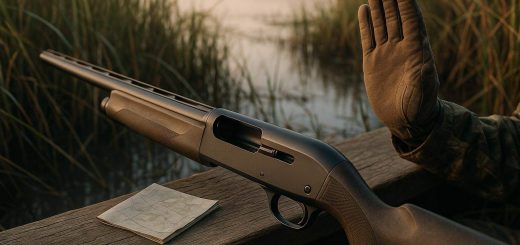
Planning a Guided Hunt: The Questions to Ask Before You Book: A Smarter Way to Prepare
The overlooked part of booking a guided hunt is learning how the guide makes decisions when conditions change, birds are scarce or a shot does not feel right. Ask clear questions before paying to prevent mismatched expectations, legal confusion and inadequate preparation. For anyone considering Southwest Louisiana duck hunting, discuss access, equipment, weather, regulations and field standards in advance.
Start with the hunt's actual shape
Ask where the hunt generally takes place and what kind of water or cover is involved. Marsh, flooded timber, rice fields and open water require different clothing, footwear, mobility and tolerance for long periods in a blind. You do not need an exact location, but you need enough information to decide whether the outing fits your experience and physical limits.
Ask how long clients are normally in the field, when they meet, how far they may travel by boat or vehicle and what happens if access becomes unsafe. Find out whether the group returns to the launch point during the day or stays out until the planned end. Also clarify the group size: more hunters can affect movement, calling, shooting lanes and decisions. Mention young hunters, first-time participants or mobility limitations before booking, and ask whether the day involves uneven ground, carrying equipment or waiting quietly before legal shooting time.
Find out what you must bring
Ask which items are supplied and which remain your responsibility. These may include a shotgun, ammunition, a properly fitted life jacket for a boat ride, waders, waterproof layers, a license, food, eye and ear protection, and a way to keep personal items dry.
Ask about any borrowed firearm's condition, fit and familiarization process well before the hunt. Bring only ammunition lawful for the intended game and firearm, and verify restrictions through current official guidance. A guide's advice is useful, but it does not replace your responsibility to follow the law.
Cold, wet conditions can make ordinary clothing inadequate. Ask whether the blind is exposed and whether you should pack dry clothes, water, snacks, medication, a headlamp and gloves that allow safe handling. Tell the guide about prescription medication, dietary restrictions or difficulty remaining seated for several hours. Also clarify what happens if your clothing or equipment proves unsuitable on arrival; a guide may identify a problem but cannot fix every packing mistake.
Ask how weather and birds change the plan
A responsible guide should explain the cancellation or rescheduling policy in plain language. Weather can affect boat travel, visibility, water levels and safe access, while bird numbers and movement can change as well. Ask what happens when the original location is unavailable or conditions are poor, and whether a shortened trip is handled differently from a cancellation.
Be wary of guarantees about limits, constant shooting or a particular species. Wildlife is unpredictable. Focus on what the guide controls: scouting, access, concealment, communication and safe judgment. The discussion should acknowledge what nobody controls, including migration timing, hunting pressure, water conditions and wild-bird behavior.
Ask how communication works during the hunt. Will the guide call the shot, or will hunters make their own decisions? How are shooting lanes established? What signal means everyone should unload, pause or prepare to leave? Clear commands reduce confusion when several people handle firearms in a confined space.
Clarify safety and ethical standards
Ask what happens when a bird is hit but not immediately recovered. A good plan may involve marking the fall, waiting for a safe opportunity and making a deliberate recovery attempt without sending hunters into unsafe water or cover. The guide should be willing to stop shooting while recovery is underway. Ethical hunting means making a reasonable effort to retrieve downed birds, not simply counting successful shots.
Understand the guide's policy on alcohol, careless gun handling and unsafe conduct. A professional outing needs firm boundaries, including when firearms are unloaded, where muzzles may point and how the group moves through a boat or blind. If the guide treats those standards as optional, reconsider before committing.
Regulations can cover seasons, licenses, species identification, methods, ammunition and possession limits, and they may change. Confirm current requirements through the relevant official wildlife authorities before hunting. The guide can explain how rules apply in the field, but each hunter remains responsible for lawful conduct.
Confirm access, communication and conservation
Ask whether the guide has permission to use the hunting area and how access is handled when water levels, farming activity or other land-use decisions alter the plan. You should know whether the outing depends on one location or may move within an authorized area.
Ask how the guide handles waste, damaged decoys, spent ammunition and other equipment left in the field. Conservation means respecting property, avoiding unnecessary disturbance, identifying birds carefully and accepting a slower day rather than forcing an unsafe or unsporting opportunity.
Before paying, keep the practical terms in writing: meeting instructions, what is included, the cancellation policy, expected group size and the best method for last-minute weather updates. Written details reduce misunderstandings without pretending that a wild-hunting trip can be predictable.
Arrive prepared to make good decisions
Review current rules, practice safe firearm handling and make sure you can identify the equipment you are bringing. Tell the guide honestly about your experience. Even an experienced blind hunter may need an explanation of a particular boat, layout or local routine, while a new hunter may need more time to understand commands and shooting boundaries.
On the day, listen before moving, keep questions direct and accept that the guide may pass on a marginal shot or change locations. The best preparation is not an expectation of constant action. It is knowing the plan, understanding the limits of the place and group, and being ready to make patient, lawful decisions when conditions refuse to cooperate.